Fast charging technology has revolutionized how we power our devices. However, users often encounter a frustrating issue: their chargers do not deliver maximum speed. “Why is my fast charger not charging at full speed?” is a common question among consumers today. According to tech expert Dr. Emily Ryder, “Understanding your charging setup can prevent many performance issues.”
Several factors can affect charging speed. First, using a non-compatible cable can significantly reduce power transfer. Many consumers overlook this detail. Second, a faulty charger may simply not perform as expected. Users should regularly check their chargers for any signs of damage. Last, device settings can also impact charging speed. Keeping the screen active while charging slows down the process.
Another aspect to consider is the device's battery health. An old, degraded battery might not accept charge efficiently. Users should reflect on these variables to enhance charging performance. In a world where we rely heavily on quick charging, understanding these nuances becomes crucial. It could make the difference between a smooth experience and a frustrating wait.
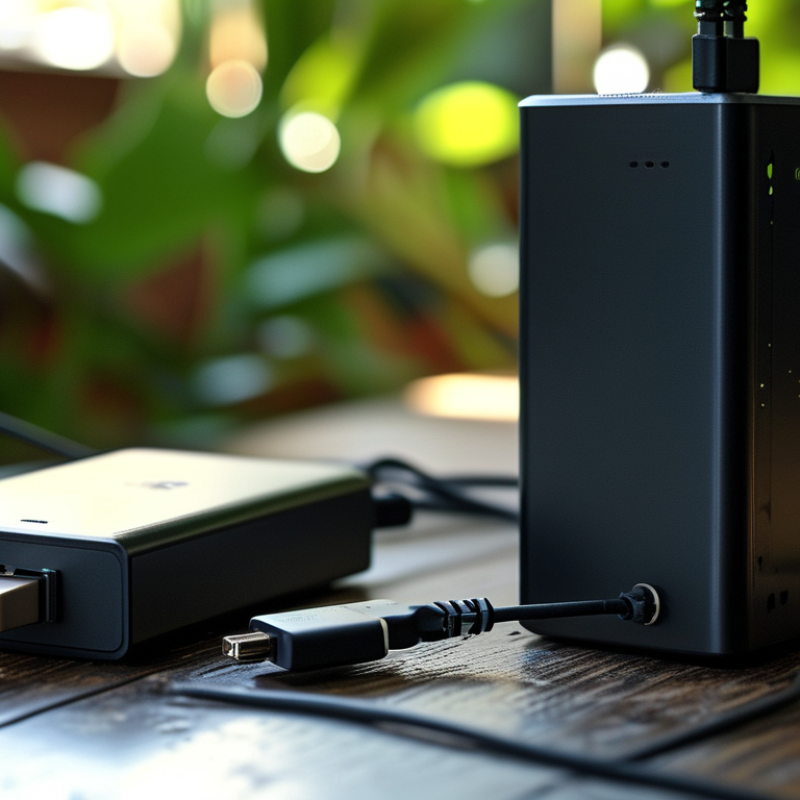
Fast charger technology has revolutionized how we power our devices. It enables batteries to charge more rapidly than traditional methods. However, many users experience slower charging than expected. Understanding the factors behind this can help maximize charging efficiency.
The concept of fast charging relies on higher voltage and amperage. According to research from the International Electrotechnical Commission, fast chargers can deliver power levels up to 100W. This is substantially higher than standard chargers, which typically provide around 5W. Despite this potential, actual charging speed is influenced by various elements. These include battery health, cable quality, and charger compatibility. A damaged cable can restrict power flow, while a worn battery may not accept a higher charge rate.
Environmental conditions also play a role. Heat can limit charging speed to protect battery integrity. Devices may implement thermal throttling to manage this risk. A study from Battery University indicates that high temperatures can decrease battery lifespan by up to 20%. Users need to ensure their charging environment is optimal to achieve maximum speeds. It’s not just about having the right charger; it's about creating the right conditions for fast charging.
| Issue | Possible Causes | Solutions |
|---|---|---|
| Charger not recognized | Incompatible charger or cable | Use the original charger and cable |
| Slow charging | Phone in use during charging | Avoid heavy usage while charging |
| Charging stops intermittently | Overheating or software issues | Allow device to cool down; restart device |
| Charging speed decreases over time | Battery age or health deterioration | Consider battery replacement |
| Inconsistent charging speeds | Faulty charging port or cable | Inspect and replace any damaged components |
: Fast charger technology allows batteries to charge quicker than standard methods, enhancing device power efficiency.
Several factors affect charging speed, like battery health, cable quality, and charger compatibility issues.
Fast chargers can deliver up to 100W power, significantly speeding up charging compared to standard 5W chargers.
Heat can limit charging to protect the battery, causing devices to implement thermal management systems.
Check that the charger's specifications match your device's requirements to avoid slow charging.
Keep the cable and port clean, and avoid using the device during charging to enhance efficiency.
Yes, outdated chargers may not support modern fast charging protocols, leading to slower charging.
Ensure it cools down before charging again, as overheating can reduce charging speed and battery life.
A damaged cable can restrict power flow, resulting in slower charging and potential battery harm.
Optimal conditions help maximize charging speeds and prolong battery lifespan, preventing frustration.
In today's tech-savvy world, encountering the question, "Why is my fast charger not charging at full speed?" is increasingly common. Understanding fast charger technology is crucial, as it reveals how these devices are designed to deliver energy efficiently. However, several issues can hinder their performance, including compatibility mismatches between the charger and the device specifications.
Additionally, the quality of the charging cable plays a significant role in determining charging efficiency. A subpar cable can lead to significant power loss, resulting in slower charging speeds. To ensure optimal charging conditions, users should maintain their devices and chargers properly, which includes using high-quality cables and ensuring specifications align. Addressing these aspects can help users achieve the maximum potential of their fast chargers.

 E-Tronde Charger