How to Fix Digital Display Errors Troubleshooting Tips?

Time:2026-06-22 Author:Mason
0%

Digital displays have become essential in various industries, from retail to aviation. However, encountering errors can disrupt operations and affect user experience. Understanding how to troubleshoot a digital display that shows "Error" is crucial. According to a recent report by the Digital Display Association, approximately 30% of display malfunctions result from improper settings or connections.

When a digital display shows an error, it often indicates an underlying issue. This can stem from hardware malfunctions or software glitches. A user-friendly approach to troubleshooting can save time and resources. Moreover, industry best practices emphasize a systematic method to identify and rectify errors. Frequent issues may include wiring faults or outdated firmware.

Awareness of common pitfalls is vital. Users often overlook simple fixes, such as checking power connections. Regular maintenance and updates can prevent many problems. The key is to document the process and refine troubleshooting methods. In this ever-evolving digital landscape, staying informed ensures a seamless display experience.
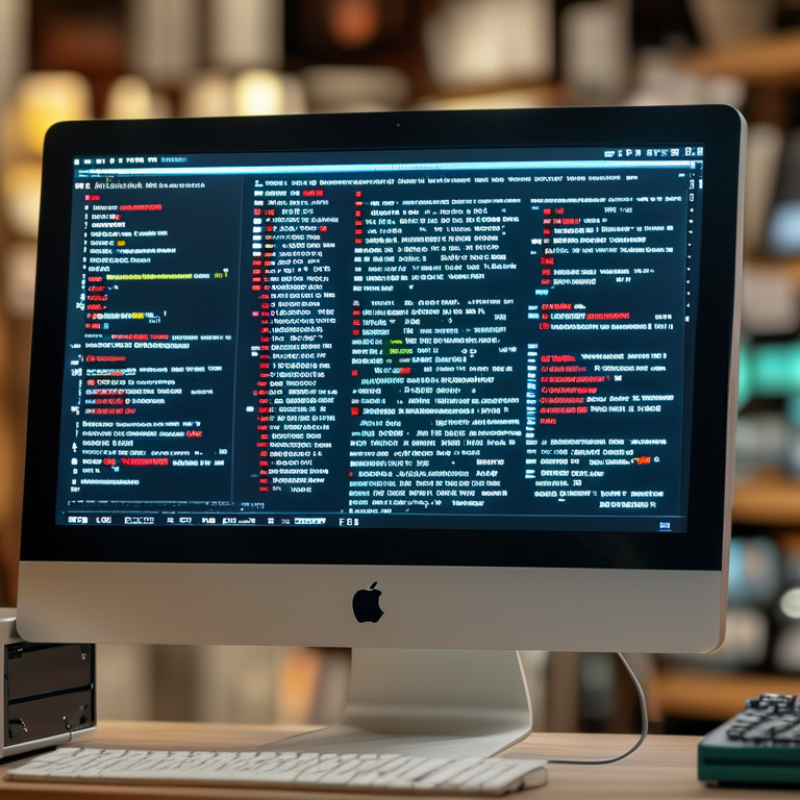
How to Fix Digital Display Errors Troubleshooting Tips?

Common Types of Digital Display Errors and Their Causes

Digital display errors can arise from various issues, affecting both performance and user experience. Two common types include pixel errors and incorrect color calibration. Pixel errors manifest as dead pixels or stuck pixels, which can disrupt visual quality. Research shows that nearly 5% of display units experience these problems upon initial use. Users often overlook minor defects, yet these can signal larger issues in screen manufacturing.

Color calibration errors often become evident when displays render hues inaccurately. This problem can stem from outdated software or poor contrast settings. According to a study, about 30% of users find their displays miscalibrated, impacting tasks like graphic design or photo editing. A study highlighted that incorrect calibration can lead to significant inconsistencies in color representation, affecting accuracy and productivity.

Many users may not check their display settings regularly. This oversight can lead to prolonged usage of improperly functioning displays. Understanding these common issues helps users identify and address display errors promptly. Regular maintenance and calibration checks could improve overall performance and satisfaction with digital displays.

How to Fix Digital Display Errors Troubleshooting Tips? - Common Types of Digital Display Errors and Their Causes

Error Type Description Common Causes Troubleshooting Tips
Flickering Display Screen flickers intermittently Loose connections, refresh rate issues Check cables, adjust refresh rate settings
Dead Pixels Pixels that remain black or stuck Manufacturing defects, pressure on screen Use pixel-fixing software, gently massage the area
Color Distortion Colors appear incorrect or unnatural Incorrect color calibration, damaged cables Recalibrate color settings, try new cables
No Signal Display shows "No Signal" message Disconnected or faulty cables, source device issues Check all connections, test with different devices
Blurry Image Image lacks sharpness Incorrect resolution settings, dirty screen Adjust resolution, clean the screen

Step-by-Step Troubleshooting Guide for Digital Display Issues

Digital displays can be prone to various issues, from flickering screens to incorrect color representations. These problems often stem from hardware malfunctions or software glitches. According to industry reports, nearly 30% of users experience display issues at some point. Addressing these errors requires a systematic approach to troubleshooting.

Start by checking the connections. Loose cables can lead to display problems. Ensure all cables are securely plugged in. Next, inspect for visible damage to connectors. If the physical connections are fine, delve into the software settings. Outdated drivers may cause malfunctions. Updating graphics drivers can resolve many issues. Also, consider resetting display settings to default. These adjustments often rectify common errors.

If the problem persists, testing the display with another device is a valuable step. This can determine if the issue is with the display or the original source. Sometimes, the screen itself may be faulty. For instance, screens may exhibit signs of wear over time. Data shows that 15% of digital displays fail due to aging components. Document any changes in behavior after each step. This can help identify the root cause effectively. Remember, troubleshooting might require patience, and finding the actual issue is not always straightforward.

Tools and Techniques for Diagnosing Display Errors

When troubleshooting digital display errors, effective tools and techniques can make a difference. Start with basic checks. Look at the power source and cable connections. A loose or damaged cable can lead to a blank screen. Ensure your device is powered on.

Utilize software to diagnose issues. Screen-sharing applications can reveal hidden problems. Examine your display settings. Sometimes, resolution settings can cause distortions. Testing with different devices helps isolate the issue. If the error persists, consider a hardware evaluation.

Tips for diagnosis include checking for updates. Keeping drivers up-to-date prevents many problems. Clean your display surface regularly. Dust can interfere with connections. If screen flickering occurs, try adjusting refresh rates in settings. These methods are practical. Missteps can lead to frustration, but patience often reveals simple solutions.

Digital Display Error Frequency by Type

Preventive Measures to Avoid Digital Display Problems

Digital displays are prevalent today, but they can sometimes malfunction. To reduce the likelihood of issues, preventive measures are essential. Regular maintenance is key. Ensure the screen is kept clean, as dust and smudges can obstruct clarity. Using a microfiber cloth makes cleaning more effective and gentle on the surface.

Proper installation is crucial. Follow manufacturer guidelines when mounting or configuring displays. Poor placements can lead to overheating or inadequate ventilation. Using mounts designed for the specific model helps avoid these issues. Moreover, regular checks can prevent problems before they occur.

Consider software updates too. Keeping the operating system current ensures better compatibility and performance. An outdated system can lead to glitches or display errors. Additionally, be mindful of the environment where displays are used. Too much sunlight can fade screens over time. A shaded area or adjustable blinds can provide the necessary protection. Every detail matters in preventing future problems.

When to Seek Professional Help for Digital Display Repair

Digital displays can malfunction for various reasons. Sometimes, the problem is minor. Other times, it indicates deeper issues. If your screen shows flickering images, colors are distorted, or the display is completely black, it’s essential to assess the situation carefully. For minor problems, simple adjustments may suffice. Check connections and cables first. Often, a loose cable can cause significant display errors.

When should you seek professional help? If your screen continues to fail after basic troubleshooting, it's time to consult an expert. Problems may stem from internal components or software issues that require specialized tools and knowledge to fix. A technician can diagnose issues more accurately than DIY methods. This is especially true for screens that exhibit strange patterns or unusual behaviors. Ignoring these signs may lead to further damage.

It's important to reflect on your experiences with digital displays. Consider how often you encounter issues and whether your solutions are effective. If troubleshooting becomes too complex or frustrating, professional help ensures a reliable fix. An expert's insight can save time and prevent future headaches. Your time and resources are valuable; sometimes, investing in professional support is the best choice.

FAQS

: How can I prevent issues with my digital display?

: Regular maintenance is important. Keep the screen clean using a microfiber cloth.

Why is proper installation crucial for digital displays?

Poor placement can lead to overheating. Following installation guidelines helps ensure proper ventilation.

What should I consider regarding software updates?

Keeping the operating system current prevents glitches and improves display performance.

When should I check cables and connections?

Always check them first when experiencing display issues. Loose connections can cause significant errors.

How do I know when to seek professional help?

Consult an expert if basic fixes do not work. Ongoing issues may need specialized knowledge to repair.

What symptoms suggest deeper issues with the display?

Flickering images, color distortion, or a black screen often indicate more serious problems.

How can environment affect digital displays?

Excessive sunlight can fade screens. Use shades or blinds for better protection.

Should I always troubleshoot issues myself?

If you often encounter problems, reflect on your solutions. Sometimes, an expert's help is more effective.

Is digital display maintenance a time-consuming process?

It can be quick but requires regular attention. Neglecting it may lead to bigger problems later.

What’s the benefit of investing in professional repairs?

Experts can diagnose complex problems accurately and save you time and frustration.

Conclusion

Digital display errors can manifest in various forms, often causing frustration for users. Understanding common types of digital display errors and their underlying causes is essential in addressing these issues effectively. When exploring how to troubleshoot a digital display that shows "Error," a step-by-step guide can be invaluable, guiding users through initial assessments, like checking connections and settings, to more comprehensive diagnostic techniques.

Equipping oneself with the right tools and techniques for diagnosing display errors enhances the troubleshooting process. Additionally, implementing preventive measures can significantly reduce the likelihood of encountering digital display problems in the future. However, if the issues persist despite following troubleshooting guidelines, it may be time to seek professional help to ensure proper repair and maintenance of the display device.

Mason

Mason

Mason is a seasoned marketing professional with a deep expertise in the company's offerings and a passion for driving brand awareness. With a strong background in digital marketing strategies, he has an innate ability to connect with diverse audiences and effectively communicate product benefits.......