Explore our premium selection of industrial-grade charging solutions, high-power portable battery chargers, and specialized micro-mobility infrastructure designed for global markets.
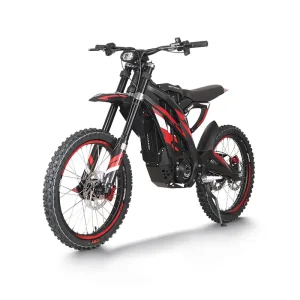
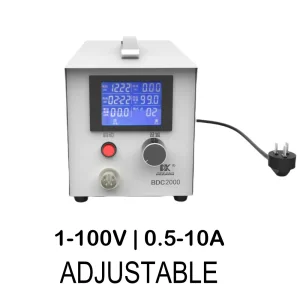
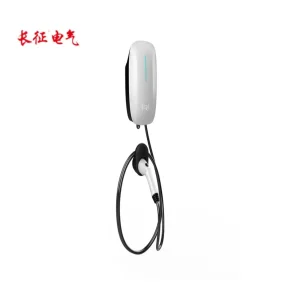
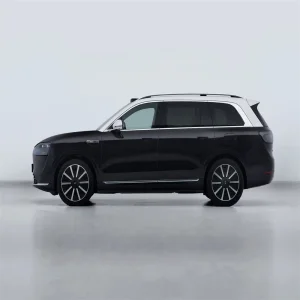
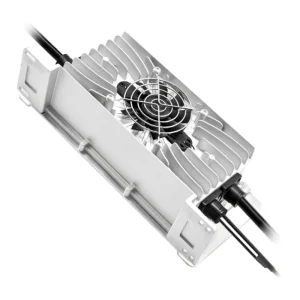
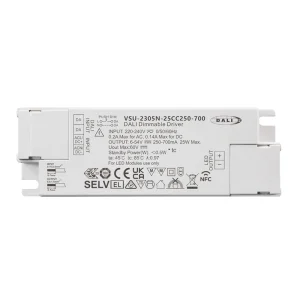
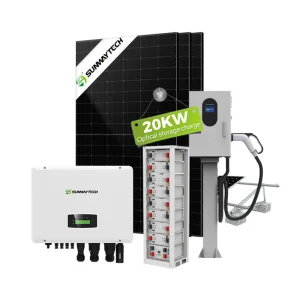
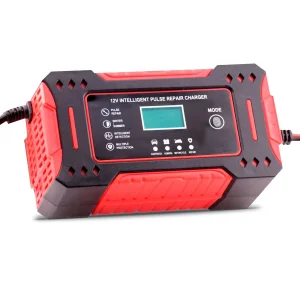
As the global economy shifts rapidly toward green mobility, the demand for high-efficiency electric bike chargers has evolved from a consumer accessory into a critical industrial infrastructure asset. Logistics corporations, last-mile delivery platforms, and urban micro-mobility schemes demand rigorous compliance, high durability, and smart network integration. Standard off-the-shelf chargers no longer satisfy the massive scale of contemporary commercial fleets.
Enterprise procurement teams today face multi-dimensional challenges. Fleet managers need chargers that can sustain continuous usage cycles under harsh outdoor environments, reduce charging down-time via safe quick-charging protocols, and maintain strict compatibility with diverse battery chemistry formulations (specifically Lithium-Ion, LiFePO4, and advanced Lead-Acid batteries). Choosing the right manufacturer is not just a matter of unit price; it is a long-term strategic decision involving warranty structures, component supply security, and localized technical support.
Advanced thermal management using specialized potting materials or cooling channels keeps internal components below critical temperatures during long duty cycles, significantly increasing product lifespan.
Modern chargers incorporate IoT chips and CAN bus protocols for real-time monitoring of State of Charge (SoC), remote software updates, and advanced hardware diagnostics.
Multi-stage protection systems guard against over-voltage, short-circuits, and reverse polarity, essential for meeting international safety codes.
Moreover, macro-regulatory environments dictate that chargers must possess local compliance certifications. For instance, exporting to Europe requires CE, RoHS, and often GS certifications; North American ventures demand UL or ETL listings; and East Asian operations require specific approvals like PSE for Japan and KC for South Korea. A reliable factory must not only design robust hardware but also successfully navigate this complex global certification landscape.
At the core of a premium electric bike charger is the power topology and the microcontroller program that governs the energy delivery phases. To maximize the operational life of expensive lithium batteries, modern factories employ complex multi-stage charging algorithms, moving beyond simple CC/CV (Constant Current / Constant Voltage) profiles.
To avoid dendrite formation and thermal stress on battery cells, the charger must adapt dynamically:
The micro-mobility charging landscape is undergoing a major shift. The integration of high-efficiency GaN and SiC transistors allows chargers to run at much higher switching frequencies. This translates to smaller magnetic components (transformers and inductors), resulting in a weight reduction of up to 40% and efficiency figures surpassing 94-96%. Lower energy loss means less heat generation, allowing manufacturers to design fully sealed IP67-rated waterproof chargers without bulky, failure-prone cooling fans.
Founded in 2001, Shenzhen E-Tronde Charger Co., Ltd. stands as a benchmark for high-volume, precision manufacturing in the power supply industry. With over two decades of technical evolution, the enterprise has developed from a local power adapter manufacturer into a global innovator of high-end battery charging solutions serving consumer electronics, telecommunications, and automotive industries.
To maintain exceptional product consistency and meet bulk enterprise orders, Shenzhen E-Tronde has invested heavily in automation. The 10,000-square-meter facility features:
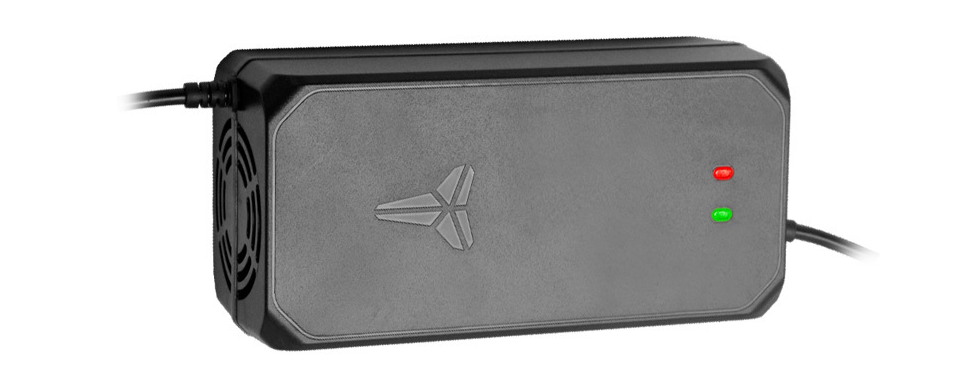
Having established a robust sales network across mainland China through regional distribution partners, Shenzhen E-Tronde is steadily expanding its footprint across Europe, Southeast Asia, and South America. By keeping customer satisfaction and sustainable growth at the heart of their values, they deliver reliable, high-performance power management solutions that withstand demanding real-world conditions.
For international buyers, product safety and certification are non-negotiable. Poorly designed chargers can cause cell degradation, reduce overall vehicle life, or even cause catastrophic thermal events. E-bike chargers must meet stringent safety criteria to satisfy legal import requirements and protect user safety.
Additionally, modern logistics operators look for localized customer support, traceably sourced components, and a robust warranty program. Leading factories back their products with a 2-to-5-year warranty, supported by regional RMA centers to handle repair, testing, and replacement processes efficiently.
Our industrial solutions cover megawatt-level equipment, high-voltage battery modules, and certified smart charging adapters designed for light and heavy electric vehicles.
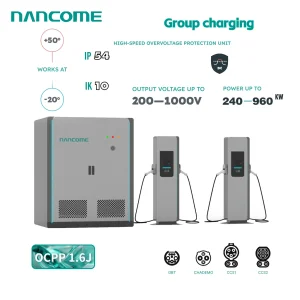
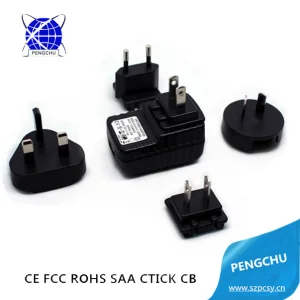
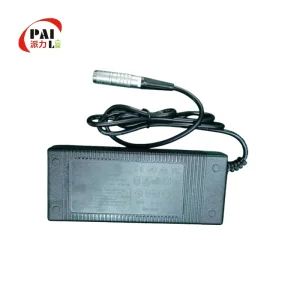
When shortlisting suppliers from the top 10 list, procurement officers should use this technical scorecard to evaluate and mitigate operational risks:
Top-tier factories trace every capacitor, MOSFET, and integrated circuit. High-reliability capacitors from renowned manufacturers like Rubycon or Nippon Chemi-Con dramatically increase MTBF (Mean Time Between Failures) ratings.
Verify that the supplier performs 100% full-load burn-in testing under controlled thermal conditions. Inquire if they use automated optical inspection (AOI) to detect micro-soldering faults on SMT production lines.
A reputable factory should offer customized programming options for charge termination thresholds, LED indicator behaviors, and communication protocols (such as UART or CAN bus parameters) to match your specific BMS requirements.
Depending on your application, look for chargers with IP ratings (IP54 to IP67) and check their performance across extreme ambient temperatures (e.g., -20°C to +50°C).
The micro-mobility charging landscape is evolving rapidly, driven by three key technological shifts:
Future e-bike chargers will do more than pull power; they will facilitate bi-directional energy flow. During peak grid demand, large parked fleets of electric bikes can serve as decentralized energy storage units, feeding power back into local commercial grids.
Contactless magnetic resonance pads are beginning to emerge in urban rental hubs. By removing exposed cables and connectors, these systems eliminate mechanical wear, reduce vandalism risks, and simplify parking and charging for municipal fleets.
Next-generation chargers will feature built-in machine learning models to analyze real-time battery impedance and degradation curves. By dynamically adjusting the charging profile based on temperature history and usage patterns, these smart systems can extend battery life by up to 30%.
Get quick answers to common questions about industrial e-bike charger procurement, manufacturing standards, and compliance.
 E-Tronde Charger