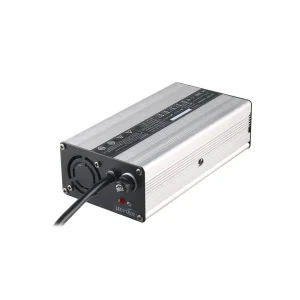
Basic Information
Model NO.:
Optional
Rechargeable:
Yes
Product Type:
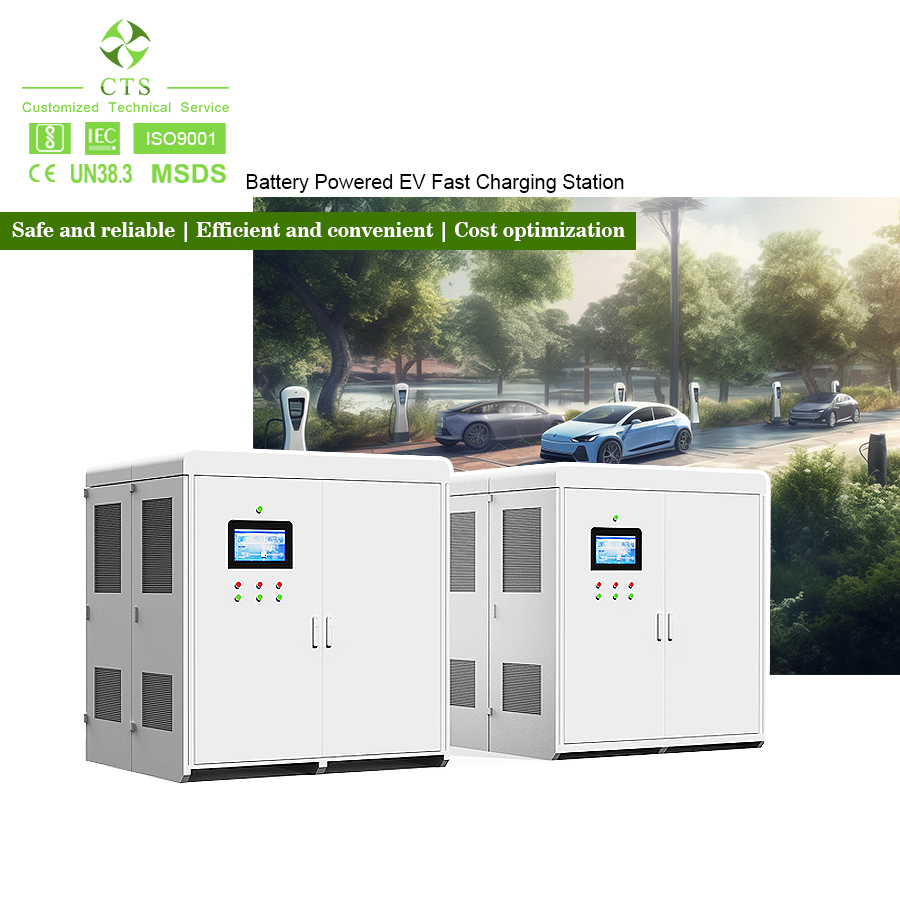
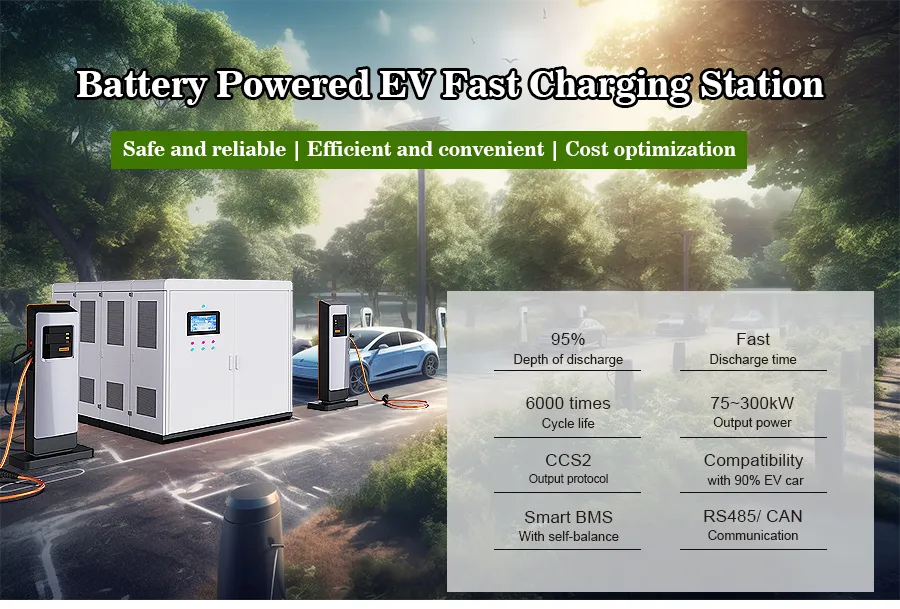
Battery Powered EV Fast Charging Station
Battery Energy:
76.8kwh / 153.6kwh / 307.2kwh
Output Voltage:
200VDC-750VDC
DC Output Power:
50kw / 100kw / 200kw
Operating Temp:
-20 ~ 55 °C
Battery Type:
LiFePo4
Production Capacity:
50,000 units / Year
Transport Package:
Wooden Case
Product Description
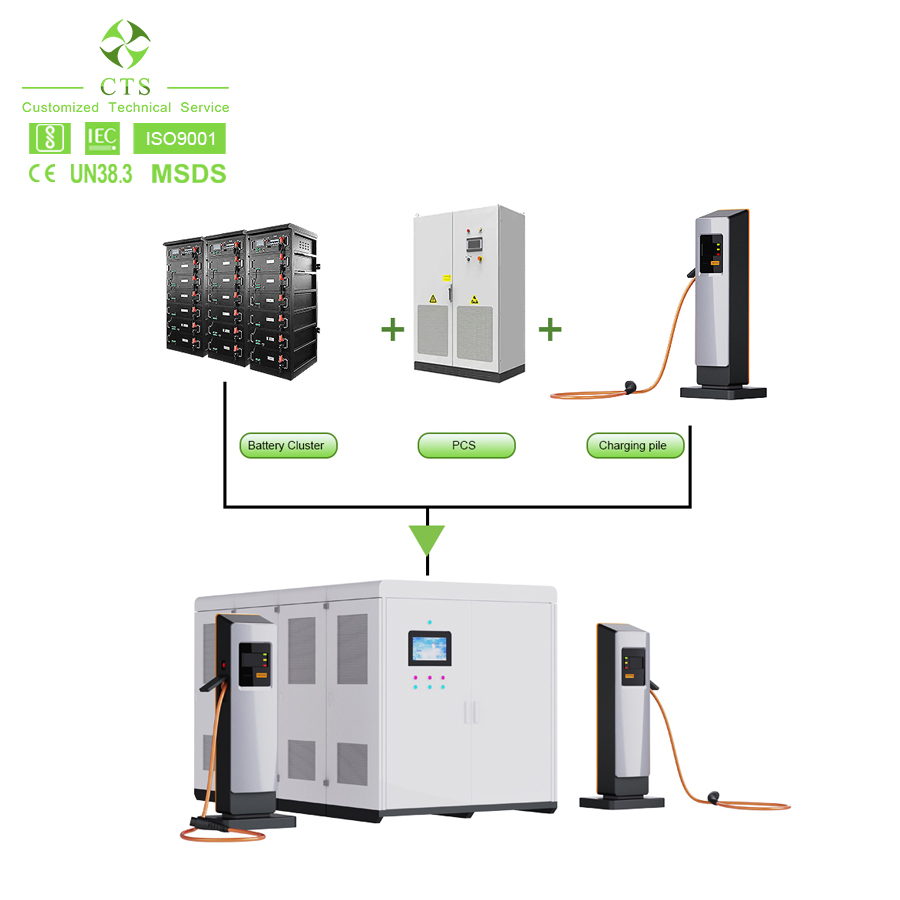
Energy Storage Battery Container with DC Fast EV Charger
| Specifications |
BP75-FCS50 |
ES150-FCS100 |
ES300-FCS200 |
| Battery Type |
LiFePo4 |
LiFePo4 |
LiFePo4 |
| Rated Voltage |
768V |
768V |
768V |
| Energy (25°C, 0.5C) |
76.8kWh |
153.6kWh |
307.2kWh |
| Output Voltage |
DC200V-750V |
DC200V-750V |
DC200V-750V |
| DC Output Power |
50kW |
100kW |
200kW |
| DC Output Protocol |
CCS2 |
CCS2 |
CCS2 |
| AC Input Voltage |
400VAC |
400VAC |
400VAC |
| Size (W*D*H) |
1680*1500*1700mm |
1680*2700*1700mm |
1680*3830*1700mm |
| Weight |
1395Kg |
2470Kg |
4620Kg |
Core Features
1
Integrated Storage and Charging
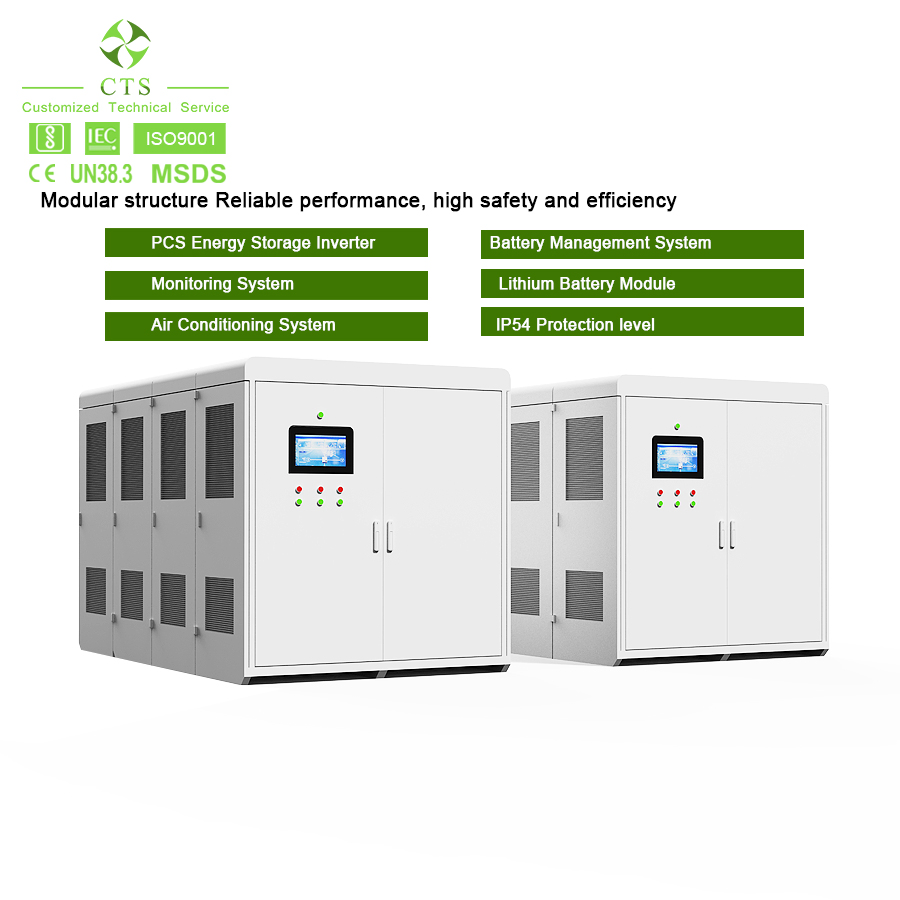
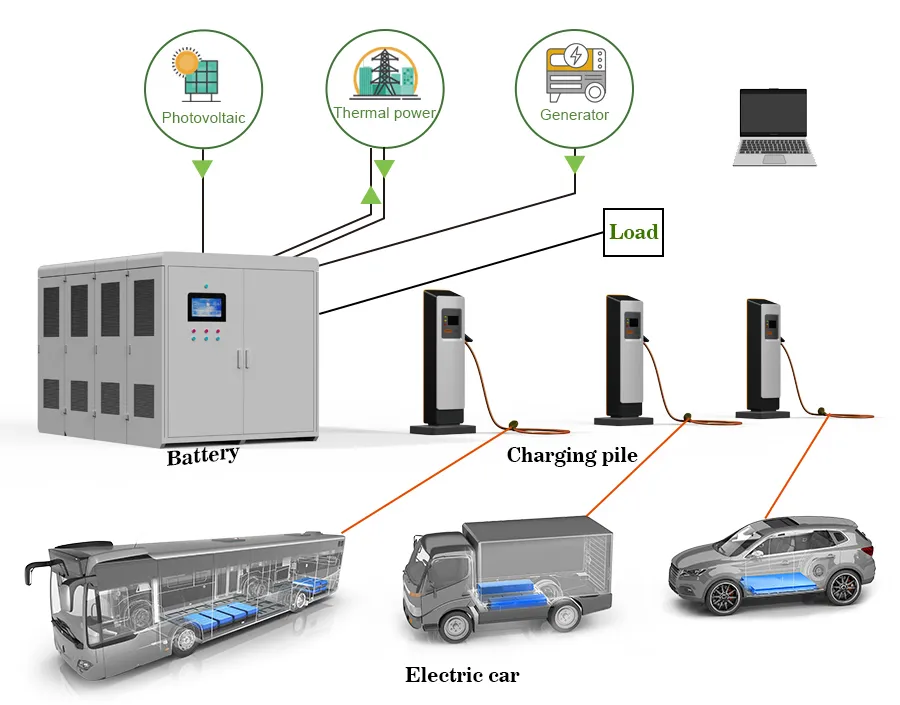
Ideal for solar storage and charging integrated stations. The system combines multi-functional PCS with energy storage batteries, grid interface, generators, and photovoltaics to optimize battery energy and grid utilization.
2
Cost Reduction (Peak-Shaving)
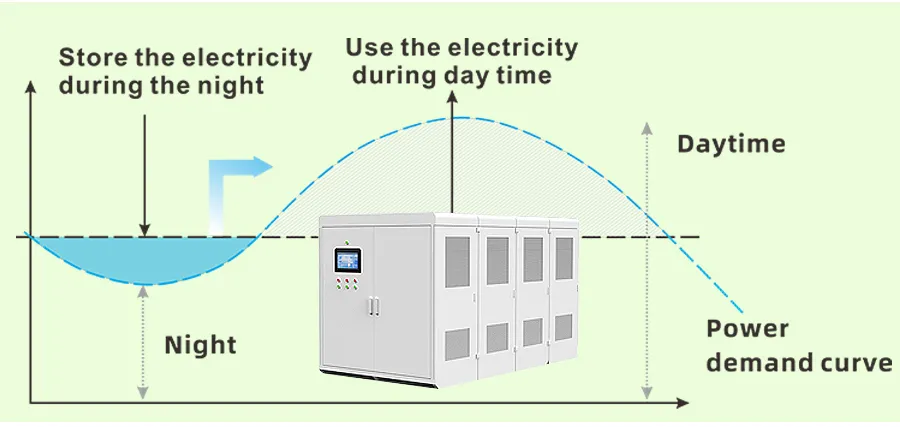
In areas with significant peak and valley electricity price differences, the lithium batteries store electricity when prices are low and release it during high-price periods, effectively reducing operational costs.
3
Strong Scalability
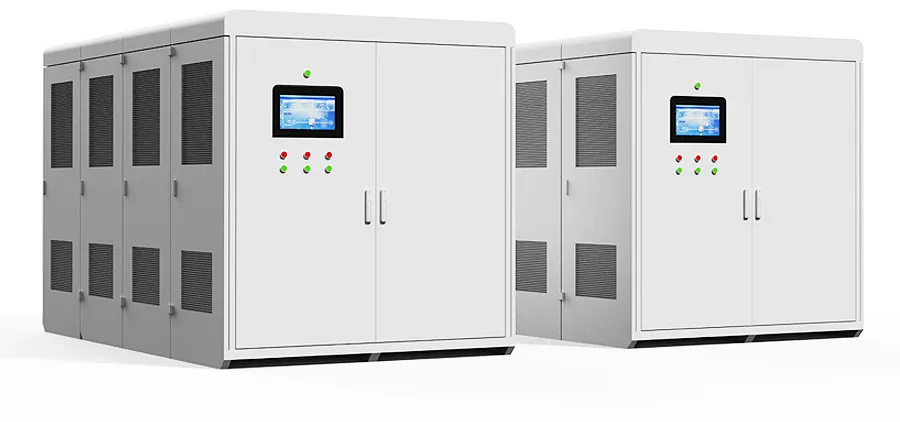
Capacity Expansion: Increase or decrease photovoltaic storage capacity based on demand.
Function Expansion: Add or remove unit modules for specific functionalities.
Grid Connection: Supports grid-connected and off-grid power supply with uninterrupted transitions.
4
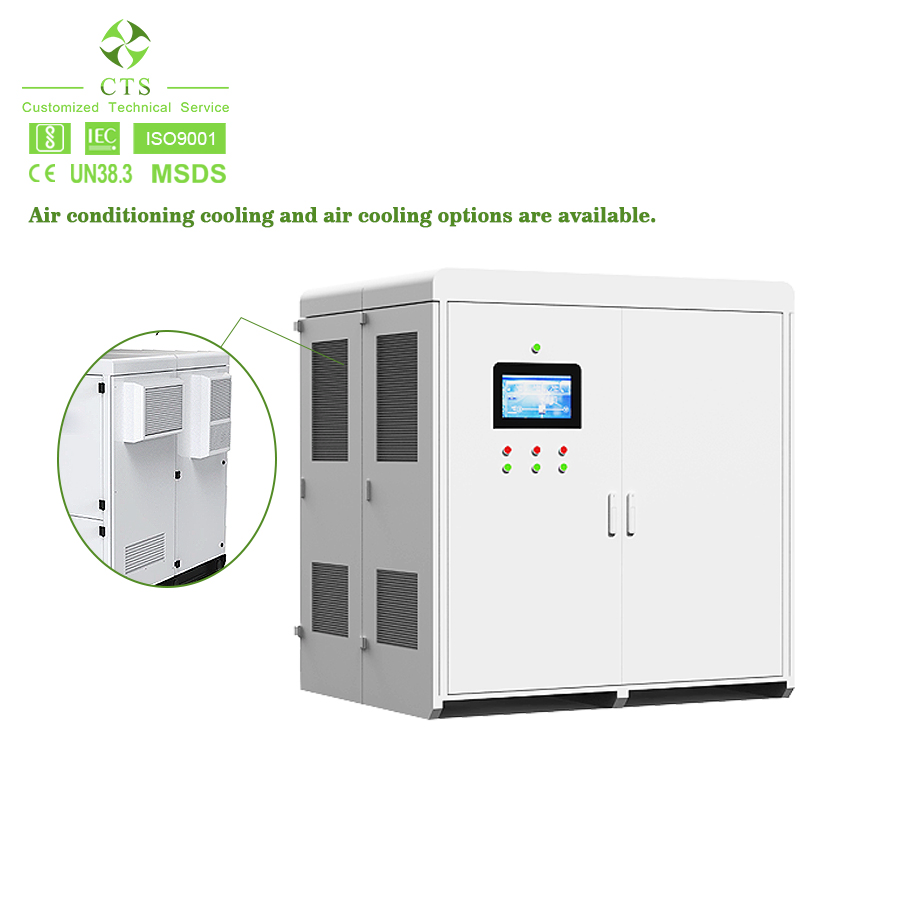
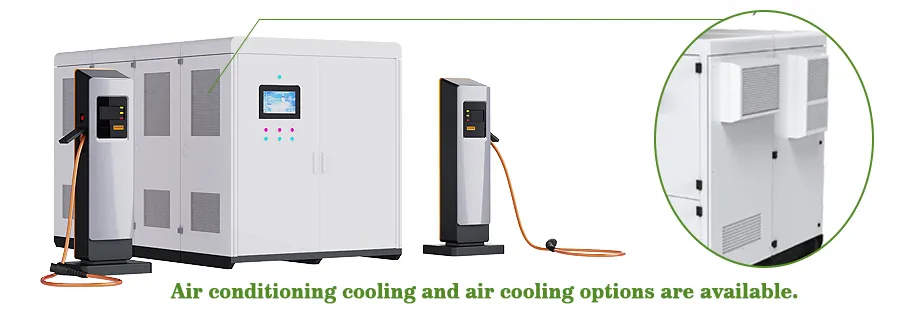
Advanced Cooling System
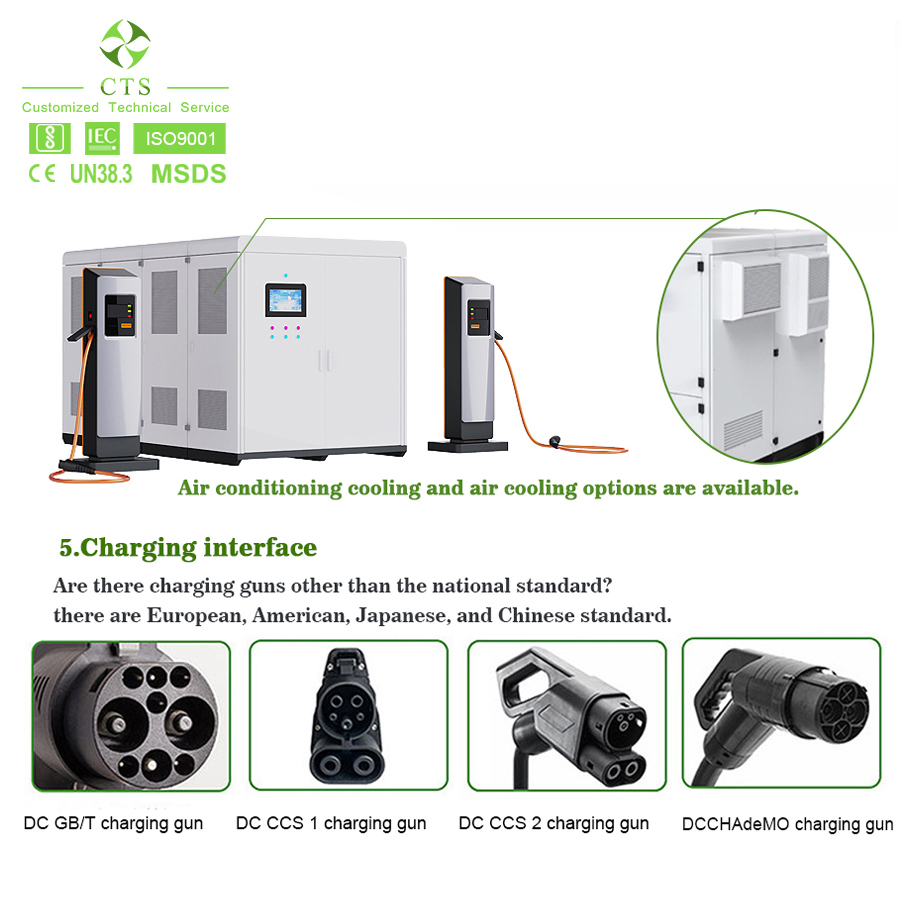
Features an integrated air conditioning system with an overall IP54 rating. This ensures optimal operating temperatures for the batteries, improving system stability and lifespan.
5
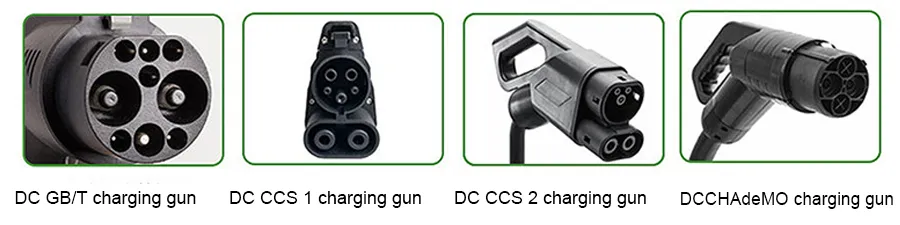
Multi-Standard Charging Interface
The system supports various international charging standards including European, American, Japanese, and Chinese standards.
Typical Applications
1. EV charging stations, parking lots, residential and commercial centers.
2. Important departments requiring UPS (Government, Banks, Finance).
3. Universities and scientific research institutes.
4. Stations, docks, and airports.
5. Enterprises with unstable power supply.
6. Remote mountainous areas, islands, and pastoral areas.
7. Solar and wind energy complementary systems.
Quality Assurance & Customization
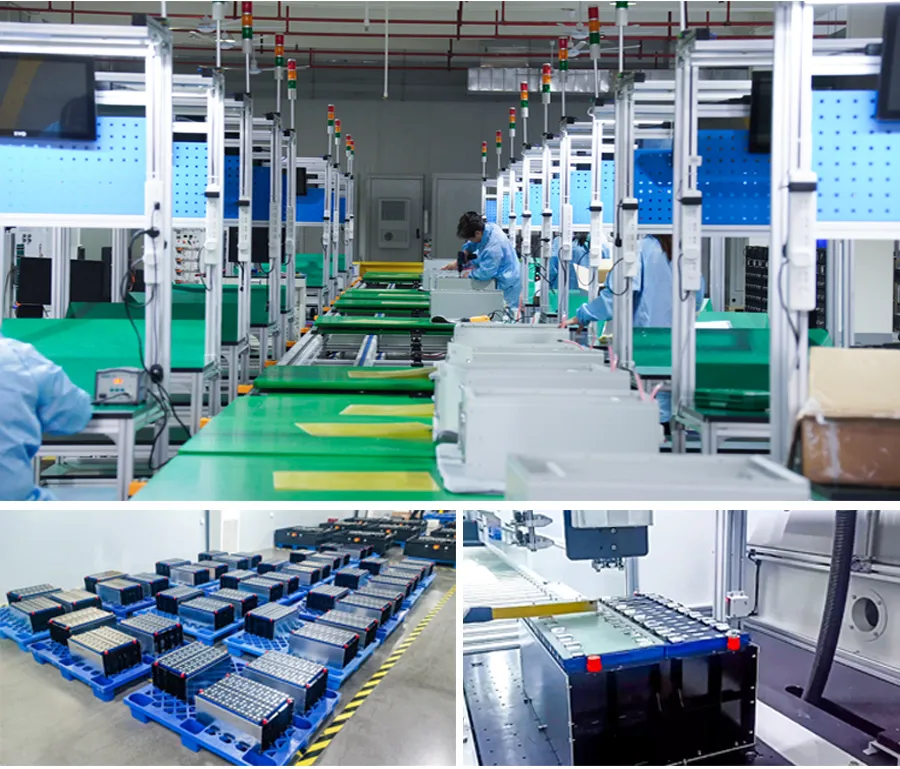
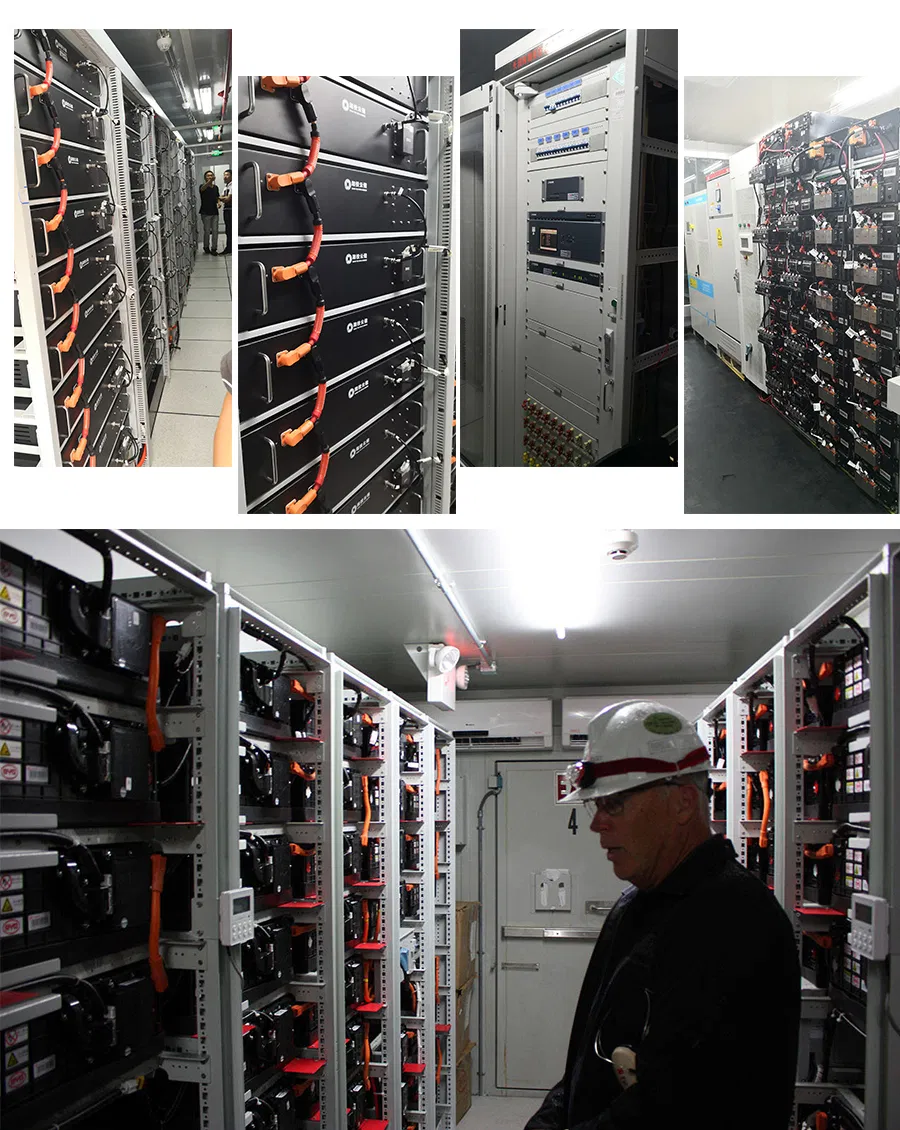
From battery cells to final packs, every production link is controlled in strict accordance with ISO9001 standards. Quality inspectors ensure process details to guarantee safety and performance.
- ✔️ Customized plans according to specific equipment requirements.
- ✔️ Multiple standards to meet diverse international needs.
- ✔️ Safety assurance through rigorous certification standards.
Frequently Asked Questions
Q1: What is the main battery technology used in the storage container?
The system utilizes LiFePo4 (Lithium Iron Phosphate) batteries, known for their safety, stability, and long cycle life.
Q2: What are the available energy capacities for this charging station?
We offer three standard capacities: 76.8kWh, 153.6kWh, and 307.2kWh, which can be further customized based on needs.
Q3: Which charging standards does the DC fast charger support?
The station is compatible with CCS2 as a standard and can be configured with European, American, Japanese, and Chinese standard interfaces.
Q4: How does the system handle extreme temperatures?
The container includes an integrated air conditioning system with an IP54 rating, allowing it to operate efficiently in temperatures ranging from -20°C to 55°C.
Q5: Can this system be used in off-grid locations?
Yes, the system is designed with strong scalability and supports both grid-connected and off-grid power supplies, making it ideal for remote or unstable areas.
Q6: What is the efficiency of the charge and discharge process?
The system maintains a high charge/discharge efficiency of over 98%, ensuring minimal energy loss during operation.